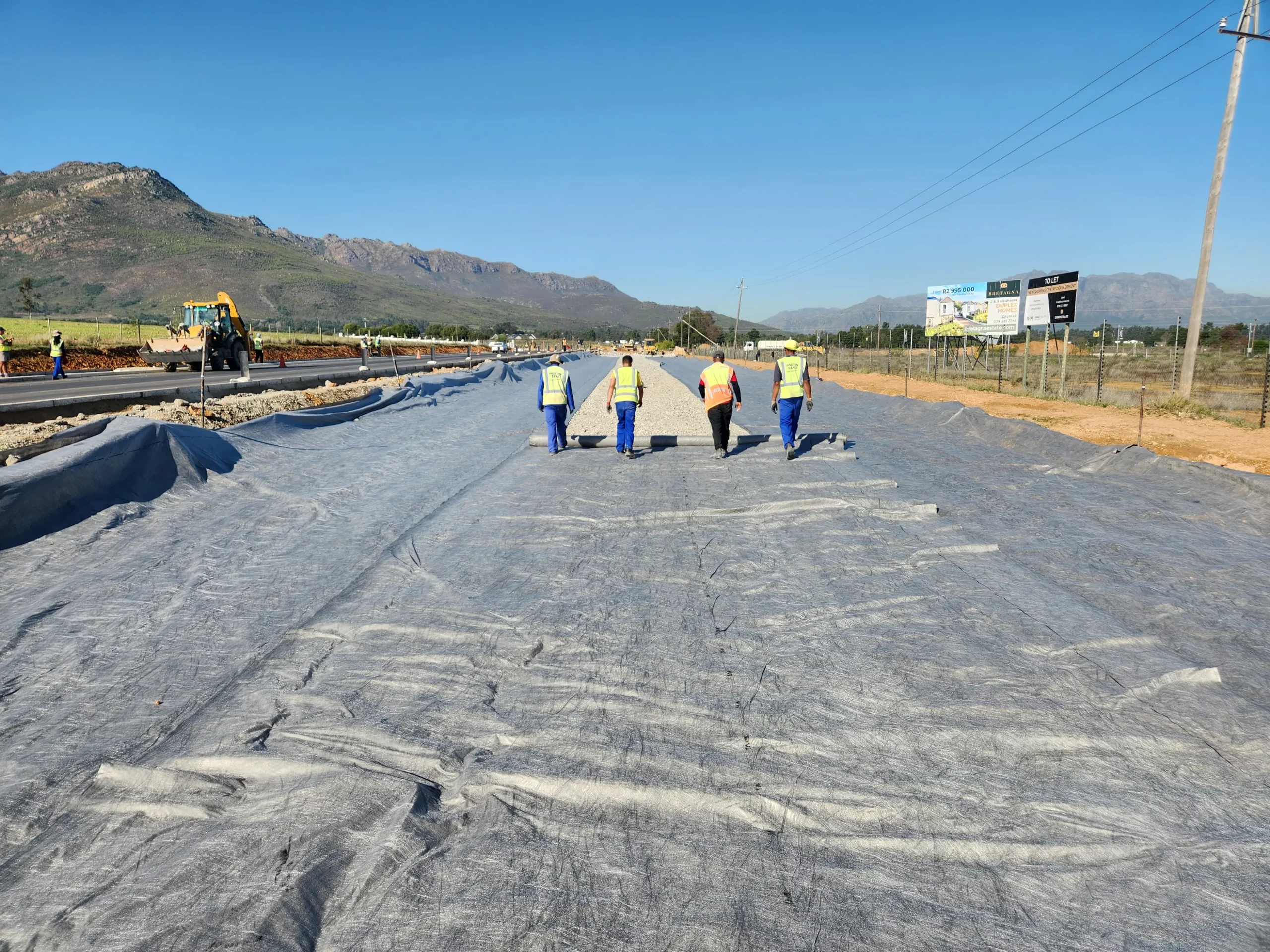
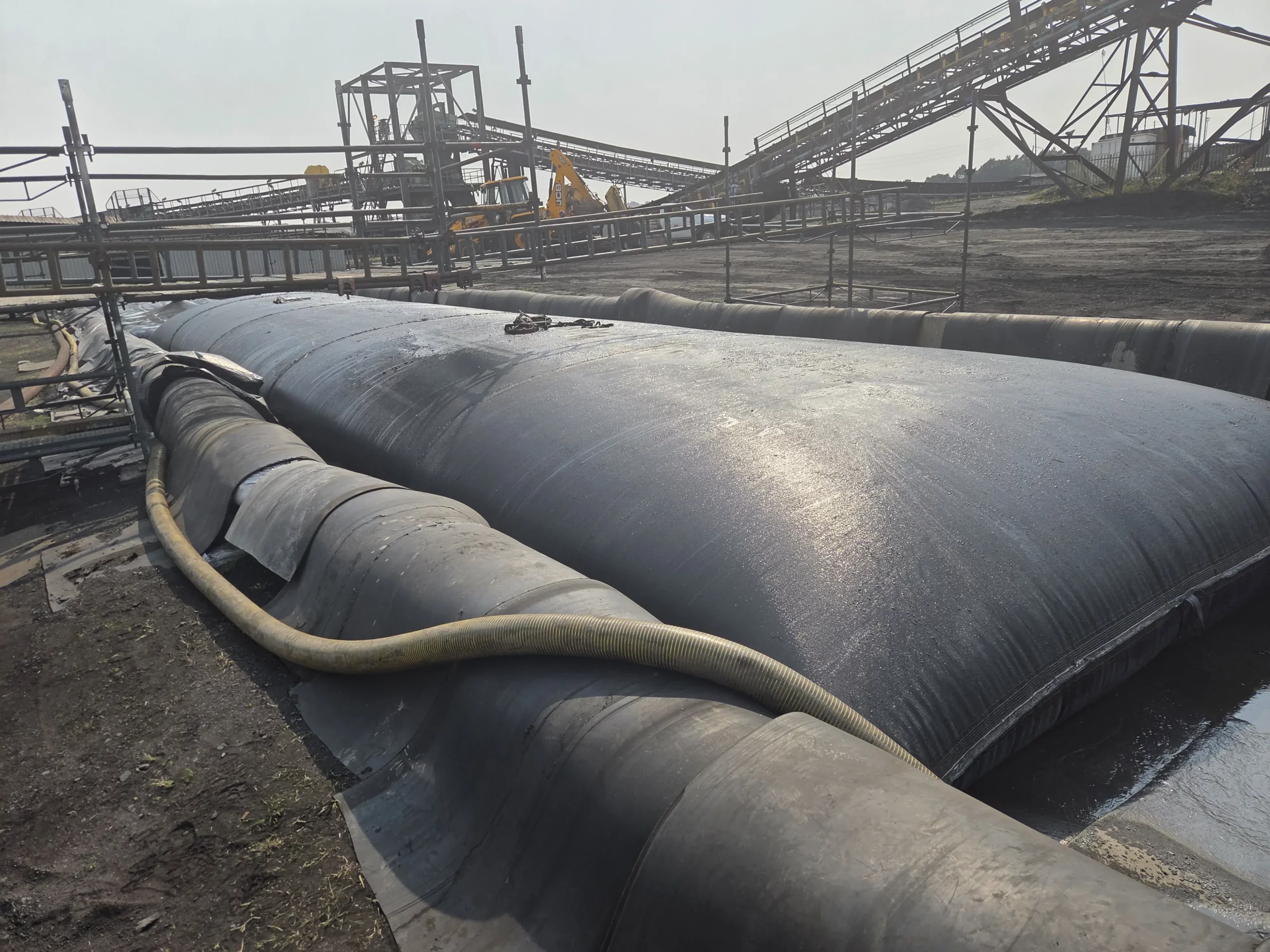
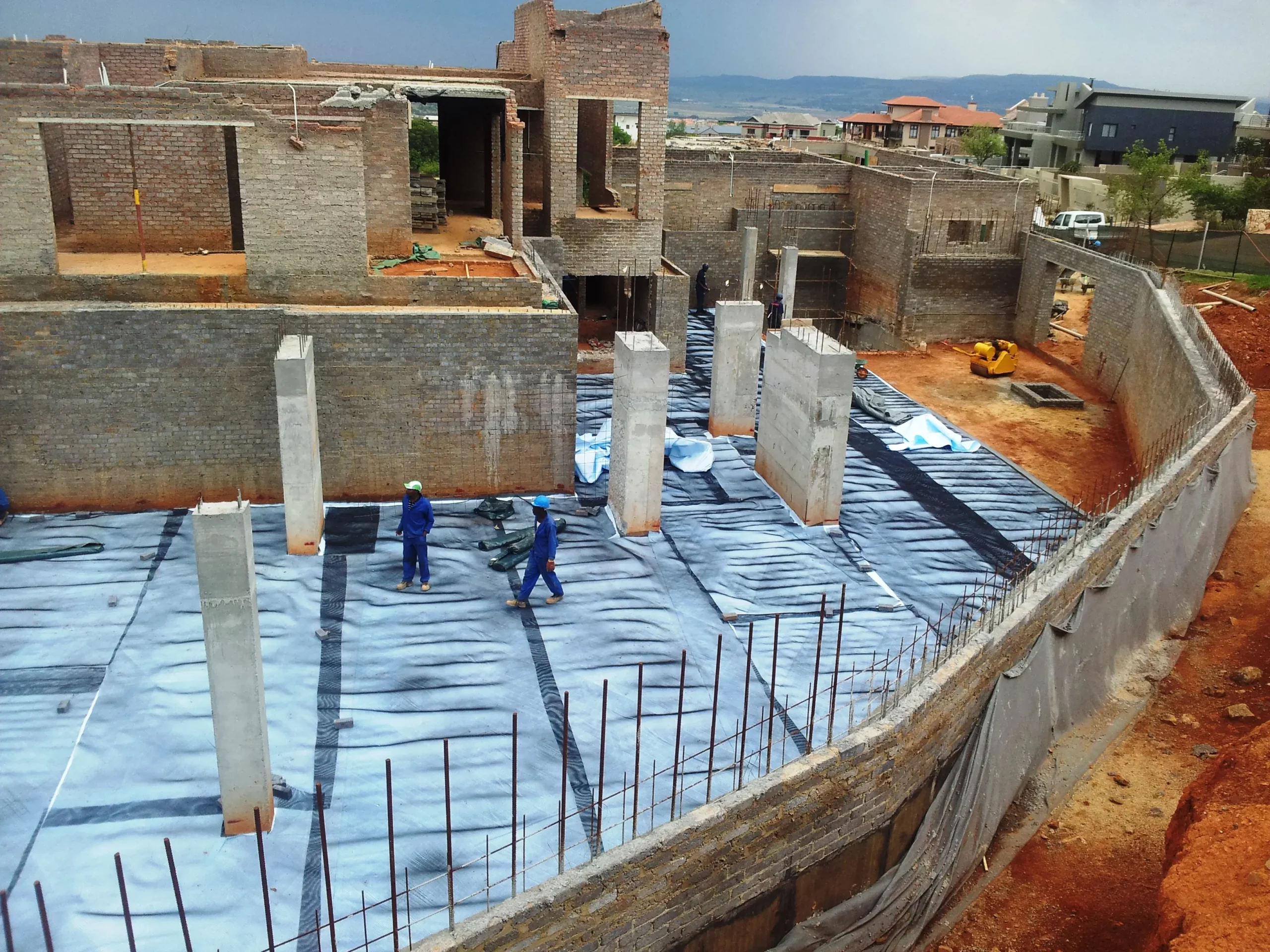
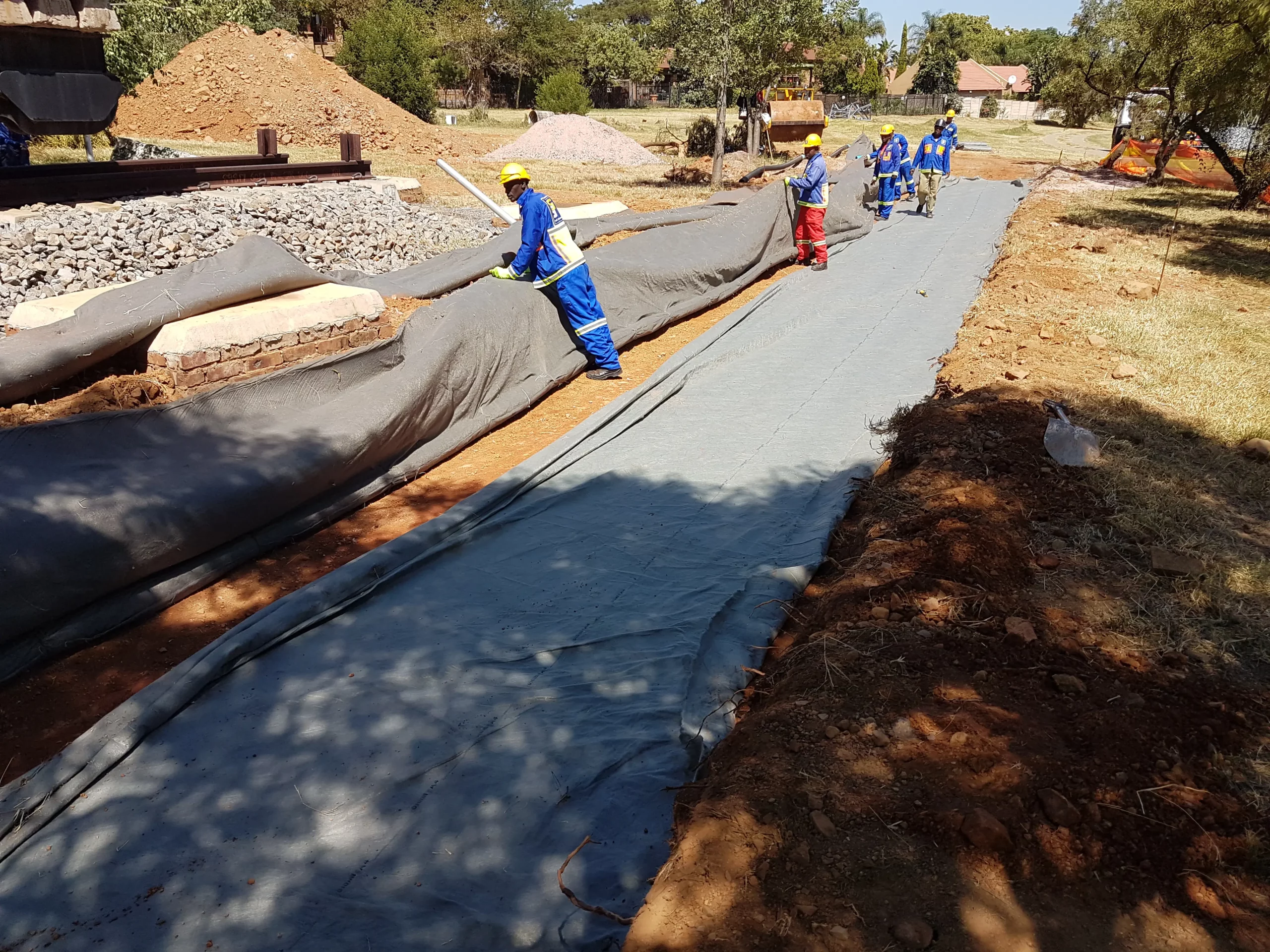
Effective filtration and drainage are critical for controlling water flow, preventing soil erosion, and maintaining the stability of civil infrastructure. Geosynthetics provide reliable solutions for separating, filtering, and directing water in roads, embankments, slopes, and retaining structures. By improving water management and soil stability, these solutions help reduce settlement, maintain structural integrity, and support long-term performance.
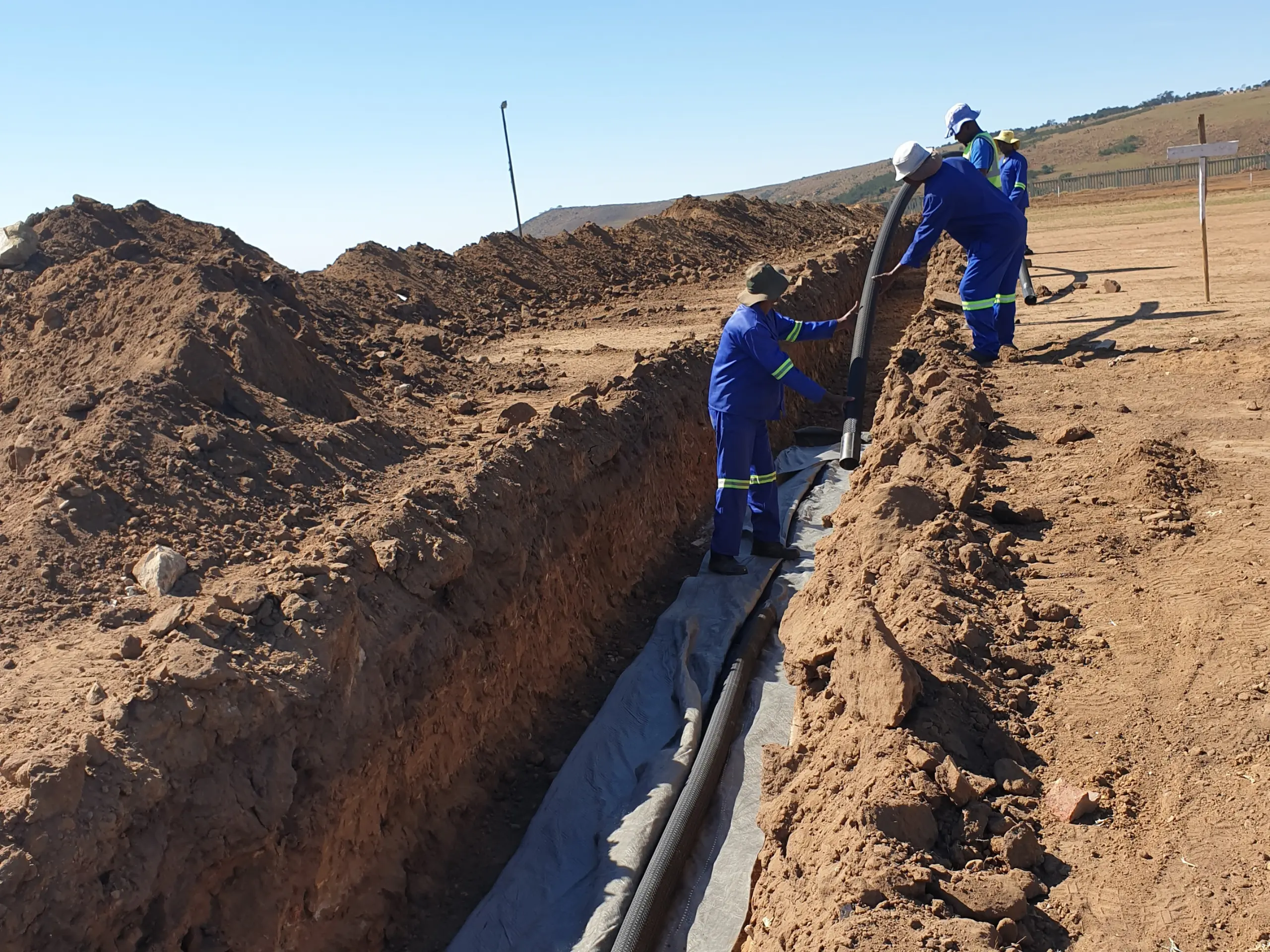
Removes excess groundwater from weak or saturated soils, improving load-bearing capacity and soil stability with geosynthetic filters.
Manages surface water runoff efficiently, directing flows away from critical infrastructure to reduce erosion and flooding risks.
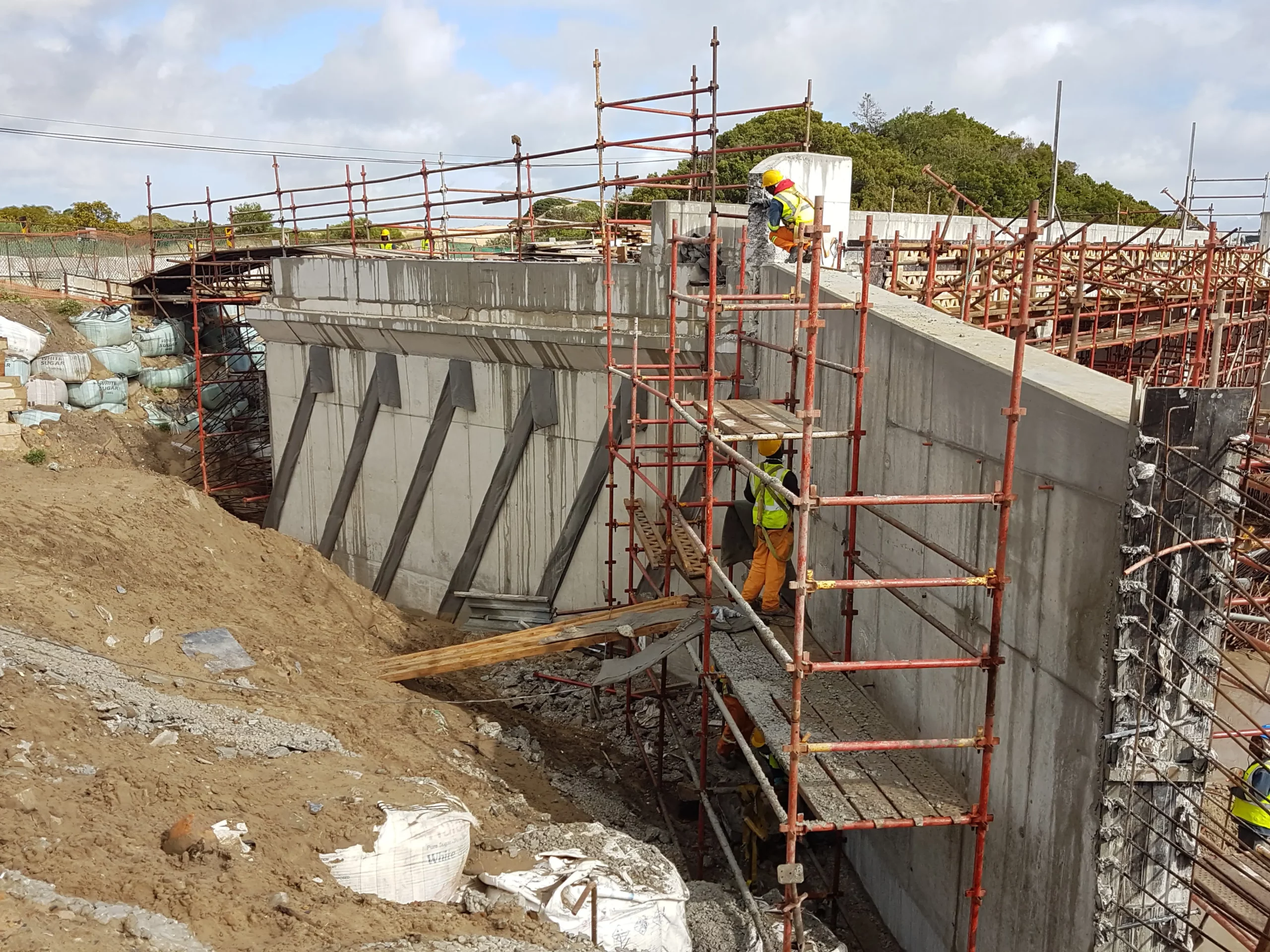
Prevents water accumulation and hydrostatic pressure behind retaining walls or basement structures, protecting stability and longevity.
Maintains wall integrity by allowing controlled water flow through backfill, reducing pressure on geostructures and surrounding soil.
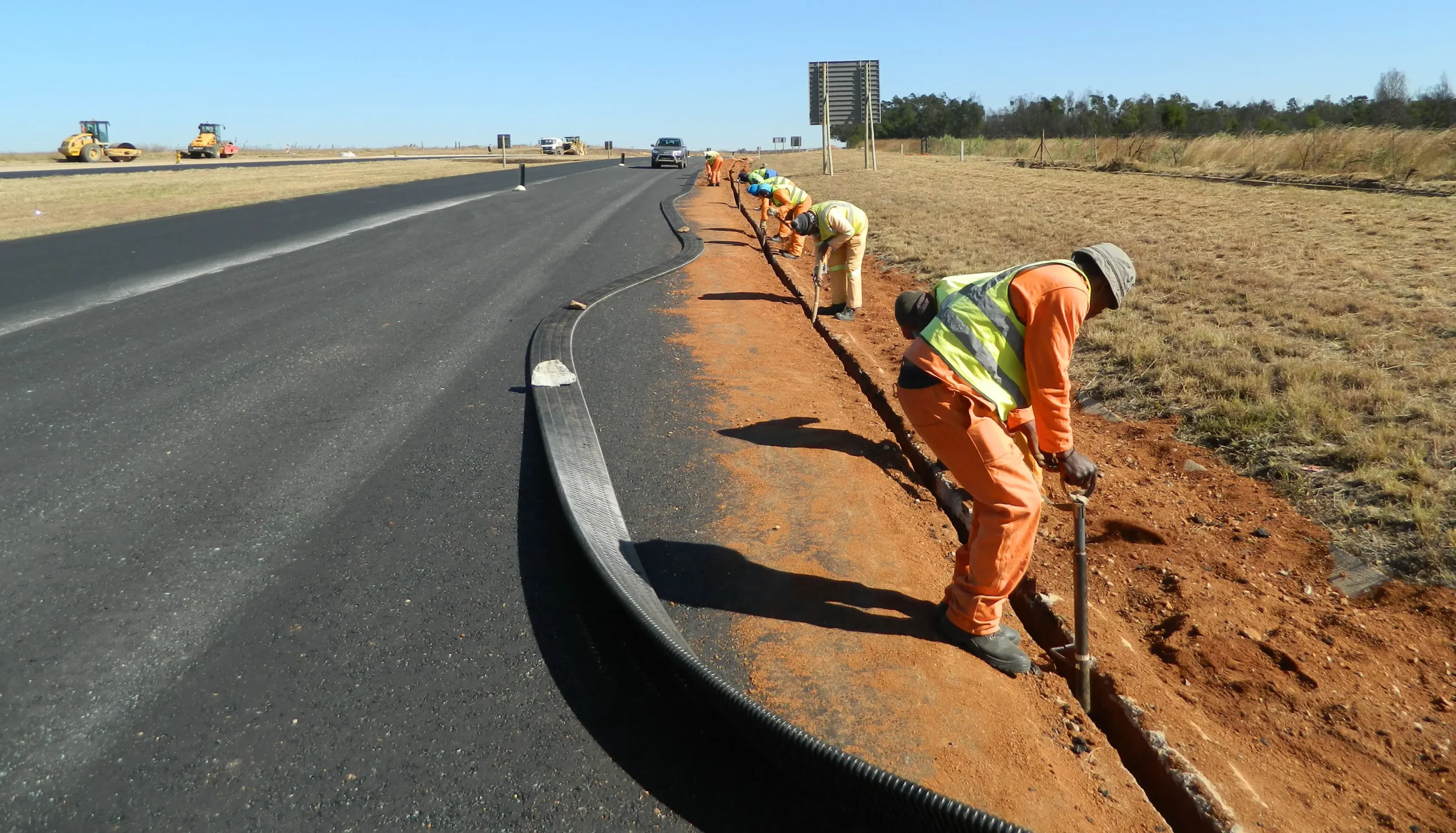
Protects road edges and pavements by channeling water away from subgrades, reducing edge failure and surface cracking.

Soil particles, fines, and sediment can block traditional drainage layers, reducing water flow and leading to saturated subgrades, hydrostatic pressure, and erosion issues.

Improper or insufficient drainage behind walls, basements, or embankments can create hydrostatic pressure, causing structural stress, movement, or even failure.

Uncontrolled runoff from roads, pavements, or slopes can lead to edge failure, erosion, or damage to surrounding infrastructure if water is not effectively captured and directed.
Geosynthetics prevent clogging by filtering fines while allowing water to pass, maintaining efficient subsoil and stormwater drainage systems and protecting soil stability.
Properly installed drainage geosynthetics relieve water pressure behind retaining walls, basements, and embankments, enhancing structural stability and longevity.
Geosynthetic drainage solutions channel runoff away from pavements, slopes, and road edges, reducing erosion, edge failure, and long-term damage to surrounding infrastructure.